We tend to think of fitness as an individual pursuit. A solo runner pounding the pavement. Someone in the gym, earbuds in, lost in their own world. Sure - alone time can be important. But for many of us, something powerful happens when we train in groups.
That power isn’t just motivational; it’s evolutionary.
In his book “Sapiens,” Yuval Noah Harari explores what allowed Homo sapiens to form societies far larger than other primates. Our brains are generally wired to manage stable relationships with about 150 people; a concept known as Dunbar’s Number. What makes humans different is our ability to create shared stories. These shared beliefs about religion, law, politics, even money, allow us to collaborate in massive groups with people we don’t personally know. The stories bind us.
In a world that often feels polarized and isolating, these shared narratives are more important than ever. That includes the stories we create in the gym, on the trail, or over a post-workout coffee.
Tribe, with a lowercase “t”
Group training creates a kind of tribe. Not in the exclusionary sense, but in the deeply human way. A place to belong, to be known, to show up and be missed. A space where conversation flows freely, strangers become friends, and mutual encouragement becomes second nature.
I’ve seen it in my own groups: someone joins for the fitness, but stays for the feeling. The shared laughs, the borrowed courage, the sense that “we’re in this together.” It becomes about more than reps and sets.
We perform better when we feel supported. We recover faster when we laugh more. We persist longer when we know someone’s cheering us on. It’s not just the exercise that changes us; it’s the environment we do it in.
Eating together matters too
Even beyond movement, shared experiences shape our health. Research shows that eating together; whether as a family, a community, or a training group, can improve nutrition, strengthen relationships, and enhance well-being. It’s not just about the nutrients on the plate; it’s the connection at the table.
That’s why I work hard to create a community spirit in my gym, and I’ve begun to include occasional social events.
But what if I’m not a group person?
You don’t have to be the life of the party to benefit from shared movement. Sometimes just showing up, doing your thing beside others, and exchanging a few words at the end is enough. It’s not about performance or popularity. It’s about proximity, presence, and the quiet comfort of knowing you’re not alone.
If the gym isn’t your thing? That’s fine too. Group training might mean walking with a friend, joining a hiking club, or hopping into a community class at the rec centre. It might even mean virtual connection; a Strava group, a friendly challenge, or a remote coach. The point is: movement is more powerful when we do it together.
More than muscle
If you’ve struggled to make fitness stick, or felt like your wellness habits are easily derailed, ask yourself this: Who are you doing it with?
Because consistency loves community. Resilience grows in relationships, and some of the strongest lifts come not from our muscles, but from the people around us.
We’re wired to connect.
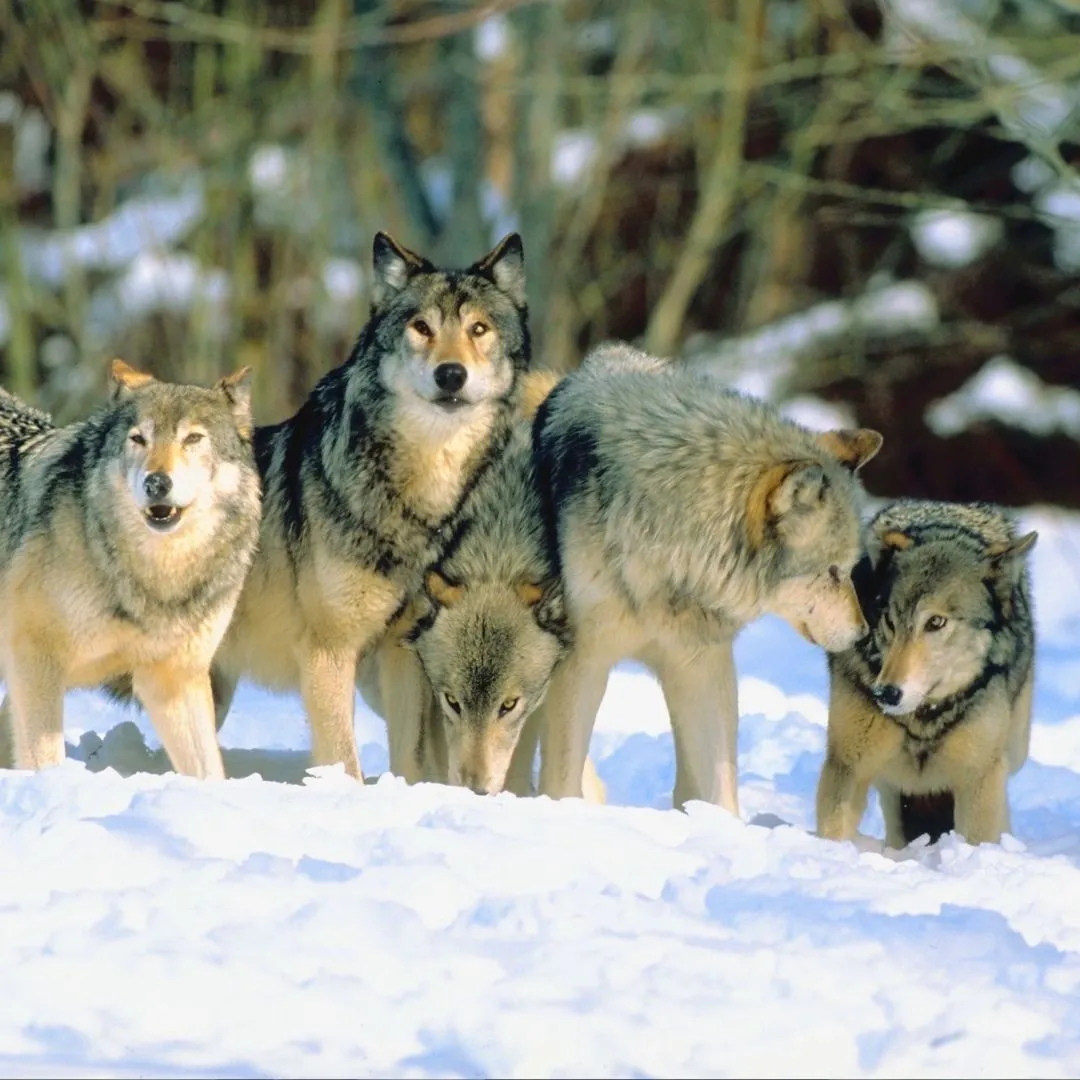
In movement, as in life, the pack makes all the difference.